

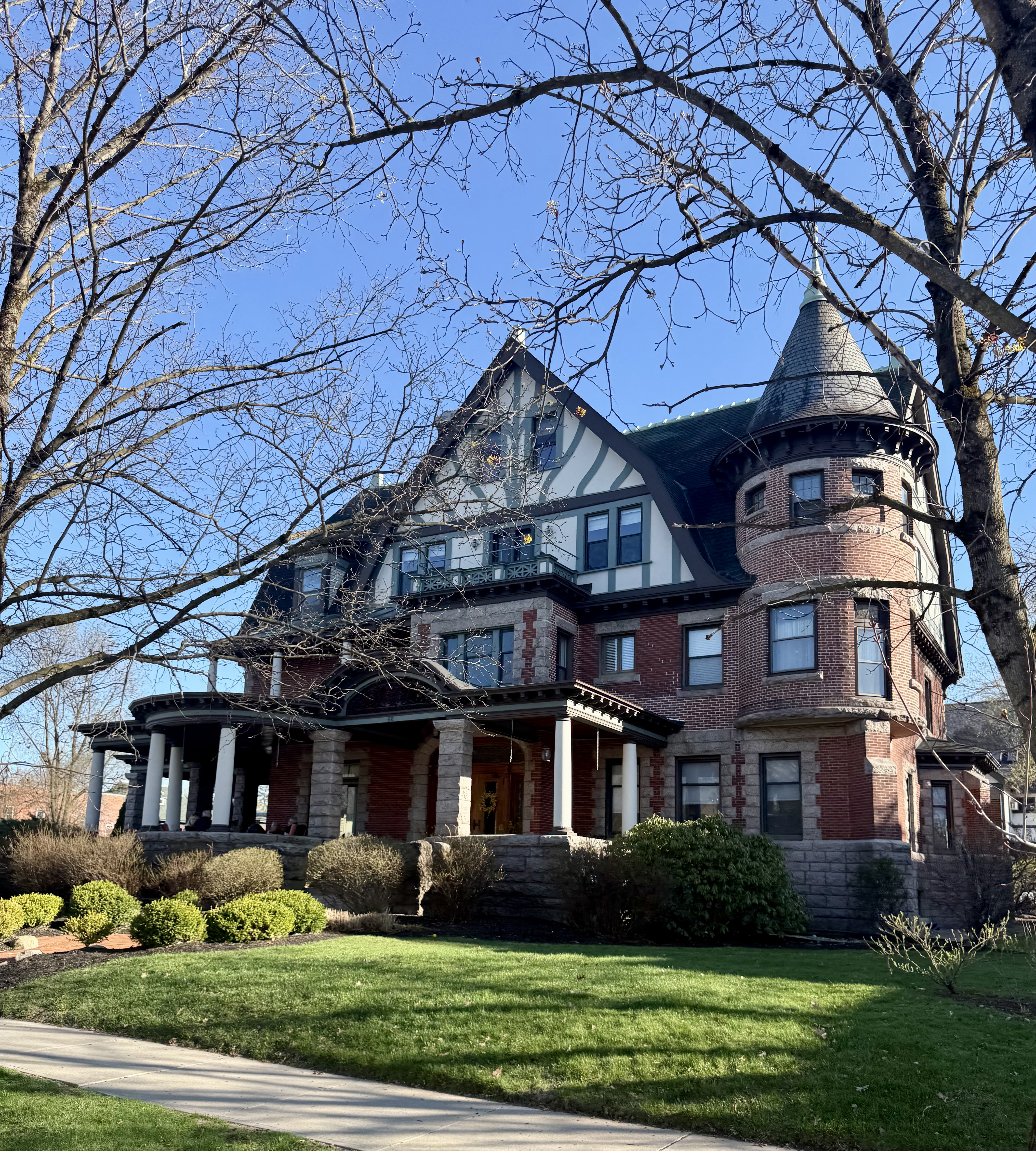
Saratoga Springs occupies a genuinely rare position in the second home market — a city with year-round cultural substance, world-class horse racing, and seasonal rental income potential that few comparable small cities anywhere in the Northeast can match. I'm Lisa Dubé Forman, a licensed real estate broker with over 30 years of experience, now focused on the Saratoga Springs market. My husband and I are season seat holders at Saratoga Race Course, and I understand this market from the inside as both a real estate professional and someone deeply embedded in the Saratoga community. If you are considering a second home here — whether as a personal retreat, an investment property, or both — this guide covers what you actually need to know before you start your search.
Why Saratoga Springs Works as a Second Home Market
Most second home markets offer one strong draw — a beach, a ski mountain, a lake. Saratoga Springs offers something more layered and more durable.
The racing season from late July through Labor Day is the most visible draw and the primary driver of the investment case. But the city delivers genuine reasons to visit and use a second home across all four seasons. The Saratoga Performing Arts Center brings world-class music and ballet throughout the summer. The Saratoga Spa State Park offers 2,300 acres of trails, golf, and the historic Roosevelt Baths year-round. The farmers market, Congress Park, Saratoga Lake, and the dining scene along Broadway function as compelling reasons to be here in October, February, and April just as much as in August.
Winter adds a dimension that surprises many buyers considering Saratoga Springs for the first time. Gore Mountain in North Creek is approximately 45 minutes north, one of New York State's largest ski areas with over 110 trails and genuine Adirondack mountain terrain. For buyers who ski seriously, the proximity makes Saratoga Springs a logical base, offering both the racing season and a full ski season from the same property. Vermont's ski mountains are also within comfortable reach — Stratton, Bromley, and Magic Mountain are roughly two hours east, and the full breadth of Vermont skiing from Mount Snow to Stowe is accessible as a day trip or weekend excursion. Buyers who might otherwise consider a Vermont ski property should factor in that Saratoga Springs offers proximity to those same mountains while also delivering the racing season, the cultural calendar, and the rental-income potential that a pure ski-town property cannot offer.
This year-round, four-season appeal matters for two reasons. It means your personal use of a second home here is not limited to a narrow seasonal window. And it means the rental market, while most intense during race season, has legitimate year-round demand that single-season resort markets simply cannot claim.
The Rental Income Opportunity — What the Numbers Actually Look Like
This is the section most second-home buyers in Saratoga Springs want to read first, and the numbers are genuinely striking.
The rental income during track season averages five to ten times off-season rates, with a seven-week seasonal rental ranging from $9,000 to $70,000 depending on the property's statistics, distance to the track, size, and amenities. Trackrealty
To put real numbers around that range, current listings clearly confirm the spectrum. A one-bedroom apartment steps from downtown rents for around $10,000 for the season, a two-bedroom duplex six minutes from Broadway lists at $14,000, a two-bedroom bungalow 1.8 miles from the track commands $18,000, and larger four-bedroom homes near the track are listed at $30,000 to $50,000 for the full meet.
The implication for a second-home buyer is significant. A well-located three or four-bedroom home near the track or downtown that rents for $20,000 to $30,000 during the six-week meet can offset a substantial portion of annual carrying costs — mortgage, property taxes, insurance, and maintenance — from that single seasonal rental alone. For buyers who plan to use the property personally outside of race season and to rent it during the meet, the financial case for ownership is unusually strong compared to most second-home markets.
What Types of Properties Work Best as Second Homes
Not every property in Saratoga Springs performs equally well as a second home and investment. Understanding the distinctions before you buy matters considerably.
Properties within walking distance of the Race Course entrance and downtown Broadway command the highest seasonal rental premiums and attract the most consistent demand. The East Side and the neighborhoods immediately surrounding the track on Union Avenue and Nelson Avenue are where the strongest rental income potential is concentrated. Buyers willing to pay a premium for these locations often find the rental income justifies the acquisition cost over time.
Condominiums near downtown offer a lower-maintenance second-home option that is particularly attractive to buyers who want access to Saratoga Springs without the upkeep responsibilities of a single-family home. Several condominium buildings within walking distance of Broadway have established track rental histories and well-understood rental markets.
Single-family homes with three or more bedrooms perform well in the seasonal rental market because larger groups — families, friend groups, racing industry parties — actively seek whole-home rentals rather than hotel accommodations during the meet. The more bedrooms a property has near the track, the higher the seasonal rental ceiling, generally.
Properties on Saratoga Lake represent a different second-home profile — water access and recreational appeal attract buyers and renters who may be less focused on the racing season specifically and more interested in the broader summer lifestyle. Lake properties tend to have more consistent year-round rental appeal and command their own premium based on waterfrontage and dock access.
The Rental Regulations You Must Understand Before Buying
This is the section most buyers wish someone had explained to them before they purchased, rather than after.
Saratoga Springs has short-term rental regulations that any investment buyer needs to understand clearly before making an offer. The city requires registration and permitting for short-term rentals — properties rented for periods of less than thirty days. There are owner-occupancy requirements, limits on the number of rental days per year in some classifications, and neighborhood-specific rules that vary across the city. As well, some Home Owner Associations (HOA) will have their own policies about rentals.
Before purchasing any property with the specific intention of generating seasonal rental income, confirm the current rental permit status of that property, verify that its zoning classification permits short-term rentals, and understand exactly what the annual permitting process entails. This is not a reason to avoid the investment — the vast majority of well-located properties in Saratoga Springs can be legally and profitably rented. But buying without this due diligence and discovering a restriction after closing is a situation I help buyers avoid by addressing it directly early in the process.
Financing a Second Home in Saratoga Springs
Second-home financing is distinct from primary-residence financing, and understanding the differences before you start searching will save you time and prevent surprises.
Conventional second-home loans typically require a minimum 10% down payment and carry slightly higher interest rates than primary-residence mortgages. To qualify as a second home rather than an investment property — which carries higher rates and larger down payment requirements — lenders generally require that the property be located a reasonable distance from your primary residence and that you intend to occupy it personally for some portion of the year.
If your primary motivation is rental income rather than personal use, an investment property loan may be the more appropriate product — and the qualifying criteria and down payment requirements differ accordingly. Speaking with a lender who has experience specifically with second-home and investment-property financing in the Saratoga Springs market before you begin your search is worth the conversation. I can connect buyers with lenders who specifically understand this market.
What to Know About the Saratoga Springs Market as a Second Home Buyer
Several dynamics of the Saratoga Springs market are particularly important for second-home buyers to understand when coming in.
The market moves quickly regardless of the season. Inventory has been tight for several years, and well-priced homes in desirable neighborhoods — particularly those under $600,000 — tend to move quickly. Lisa Dube Forman: Second-home buyers who are not pre-approved and prepared to act decisively frequently lose properties to buyers who are. Being ready to move is not optional in this market.
The best properties — particularly those with established rental histories and proven track record of income — rarely sit on the market waiting. When a property with a documented $25,000 - $40,000 annual rental history becomes available near the track, it quickly attracts multiple buyers. Having a clear sense of your budget, preferred property type, and intended use before you begin searching allows you to act when the right property appears rather than lose it while deliberating.
Off-season is often the best time to buy. The Saratoga Springs market is most active in spring and early summer as buyers try to secure properties before race season. Buyers who search in the fall and winter often find less competition, more room to negotiate, and sellers who are genuinely motivated. If your timeline is flexible, the September through March window is worth considering specifically.
A Personal Note on Saratoga Springs as a Second Home Destination
My husband and I choose to spend our race season at Saratoga Race Course every year without exception. That is not a professional positioning statement — it is a reflection of what this city genuinely offers to people who love thoroughbred racing, great food, beautiful surroundings, and a community that comes alive in ways that few places in America still do.
For buyers who share that love of the racing world, or who are drawn to the horse industry more broadly, a second home in Saratoga Springs is not purely a financial calculation. It is an investment in a lifestyle that is genuinely irreplaceable. I understand that combination of personal passion and investment thinking that goes well beyond market statistics — and it informs every conversation I have with second-home buyers in this market.
Ready to Explore Second Home Options in Saratoga Springs
Whether you are focused on the investment case, your personal lifestyle, or both, I would welcome the chance to talk through what the current market looks like for your situation and budget.
Reach me directly through the contact form on this site or visit my Saratoga Springs community guide for a broader picture of life in this city across all four seasons. The 2026 racing season is approaching — if a second home before this summer's meet is on your radar, now is the time to begin the conversation.
